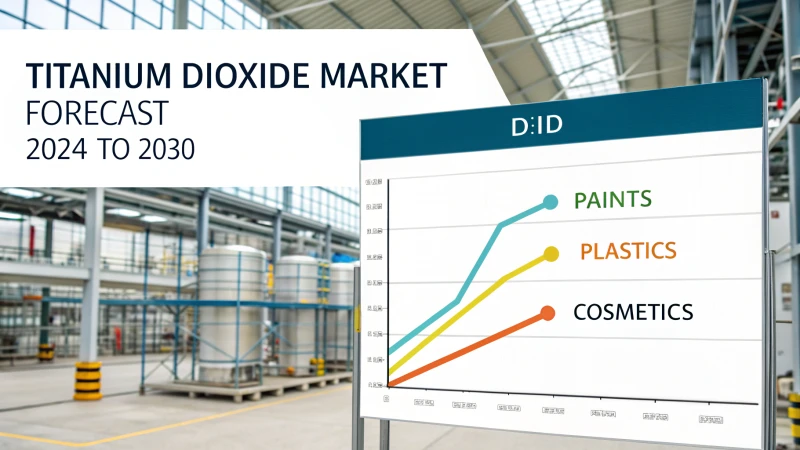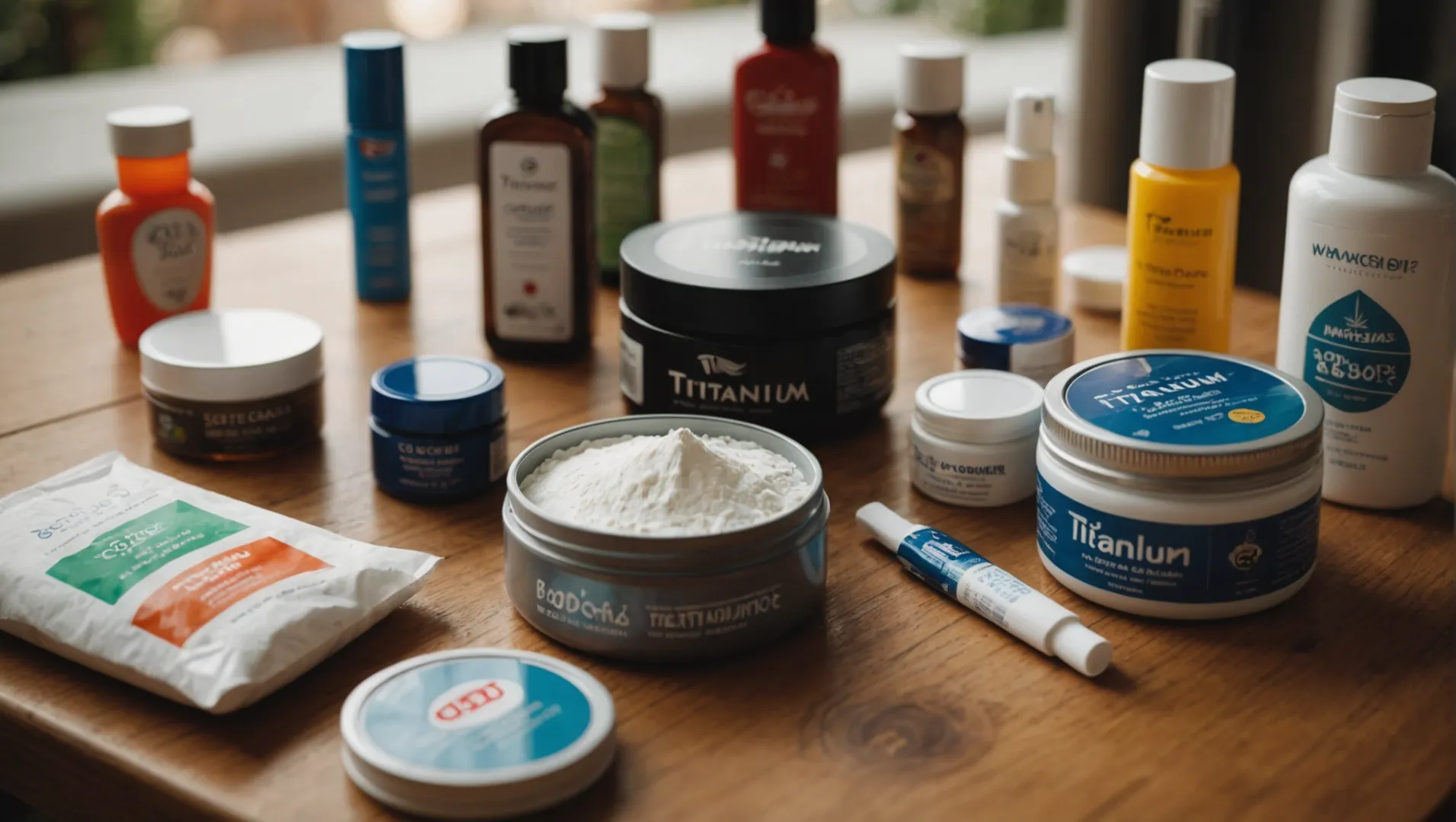
Every day, I reach for products containing titanium dioxide without a second thought. But should I be concerned?
Titanium dioxide is generally considered safe in products like sunscreen and cosmetics. However, concerns have arisen about its nanoparticle form and its use in food, leading to differing regulatory stances globally. Understanding these nuances can help make informed choices.
While this overview gives a glimpse into the safety of titanium dioxide, there’s so much more to uncover. Let’s dive deeper into its applications and what the latest research reveals.
[claim claim=”Titanium dioxide is banned in EU food products.” istrue=”true” explanation=”The EU banned titanium dioxide in food due to potential genotoxicity.”]
What Are the Common Uses of Titanium Dioxide?
Titanium dioxide (TiO₂) is an incredibly versatile compound found in numerous everyday products. But what exactly are its common applications?
Titanium dioxide is widely used as a pigment in paints, coatings, and plastics, enhancing whiteness and opacity. It is also prevalent in sunscreens for UV protection, cosmetics for texture, and even as a food additive in some regions, despite recent regulatory debates.

Titanium Dioxide in Paints and Coatings
Titanium dioxide is most famously known for its role as a white pigment. Due to its high refractive index, it provides excellent coverage and brightness, making it an essential component in paints and coatings1. This property allows for vibrant colors and durable finishes, enhancing both aesthetic appeal and longevity.
Use in Cosmetics
In cosmetics, TiO₂ is valued for its ability to provide opacity and whiteness, which improves the texture and spreadability of products like foundations, creams, and powders. Additionally, its reflective properties make it a popular choice in sunscreens, where it offers broad-spectrum UV protection by scattering UV rays.
Role in Food Products
While the use of titanium dioxide as a food additive has become controversial, it remains authorized in several countries like the United States. It’s employed to enhance the color and brightness of products such as candies, dairy products, and sauces. However, its application has faced scrutiny due to concerns over potential health risks associated with its nanoparticle form.
| Application | Function |
|---|---|
| Paints & Coatings | Provides whiteness and opacity |
| Cosmetics | Enhances texture and provides UV protection |
| Food Additive | Used for whitening and brightening |
Industrial Applications
Beyond consumer products, TiO₂ plays a critical role in industrial applications. It’s used in the production of ceramics and glassware due to its high melting point and durability. Additionally, it’s employed in making high-temperature lab apparatus and refractory materials, showcasing its versatility in different manufacturing processes.
Environmental and Health Considerations
As research progresses, concerns about the safety of titanium dioxide, especially in nanoparticle form, continue to be investigated. This ongoing research is crucial for understanding the potential environmental and health impacts of widespread TiO₂ use across various industries. While the European Union2 has banned its use as a food additive, other regions maintain differing regulations based on current scientific evidence.
[claim claim=”Titanium dioxide is used as a pigment in paints.” istrue=”true” explanation=”TiO₂ enhances whiteness and opacity in paints and coatings.”]
[claim claim=”EU has banned titanium dioxide in all products.” istrue=”false” explanation=”The EU banned TiO₂ as a food additive, not in all products.”]
How Does Titanium Dioxide Affect the Skin?
Titanium dioxide is a staple in cosmetics, but how does it interact with our skin?
Titanium dioxide is generally safe for topical use in cosmetics and sunscreen. It acts as a physical barrier, reflecting UV rays away from the skin. However, its safety can vary based on formulation, particle size, and individual skin sensitivity.

The Role of Titanium Dioxide in Skincare
Titanium dioxide is prized in the skincare industry for its ability to protect the skin from harmful UV rays. It functions primarily as a physical sunscreen, sitting on top of the skin and reflecting sunlight away. Unlike chemical sunscreens that absorb UV radiation, titanium dioxide offers broad-spectrum protection without penetrating the skin.
This protective attribute makes it an essential component in many sunscreens and cosmetics, especially those aimed at sensitive skin or children. Because it doesn’t cause irritation or allergic reactions for most users, it’s often recommended for those with sensitive skin conditions like rosacea.
Concerns with Nanoparticles
While titanium dioxide is generally considered safe, concerns have emerged regarding its nanoparticle form. When titanium dioxide is reduced to a nanoparticle size, it can potentially penetrate the skin barrier and enter the bloodstream. This has raised questions about its long-term safety in skincare products.
Studies examining titanium dioxide nanoparticles3 suggest that when applied topically, they do not penetrate beyond the outermost layer of skin in healthy adults. However, more research is needed to understand their effects on compromised skin barriers.
| Formulation | Skin Penetration | Safety Considerations |
|---|---|---|
| Micro-sized | Minimal | Generally safe |
| Nano-sized | Potentially more | Requires more study |
The Regulatory Perspective
Different countries have varying regulations concerning the use of titanium dioxide in cosmetics. For instance, the European Commission has set limits on its concentration in products to ensure consumer safety. In contrast, the FDA maintains that titanium dioxide is safe for use as a color additive in cosmetics within specified limits.
These regulatory differences highlight the importance of continued research and monitoring. As scientists continue to explore the implications of titanium dioxide exposure4, consumers should remain informed about product formulations and choose brands that prioritize safety testing.
Personal Experiences and Sensitivities
Despite its overall safety profile, some individuals may experience sensitivities or allergic reactions to products containing titanium dioxide. This can result in redness or irritation upon application. It’s crucial for consumers to patch-test new products and consult dermatologists if they notice adverse reactions.
In summary, while titanium dioxide is a mainstay in sun protection and cosmetic products, understanding its formulations and potential impacts can help consumers make informed choices about their skincare routines.
[claim claim=”Titanium dioxide is safe for all skin types.” istrue=”false” explanation=”While generally safe, some individuals may experience skin irritation.”]
[claim claim=”Nano-sized titanium dioxide can penetrate the skin.” istrue=”false” explanation=”Studies show nanoparticles do not penetrate beyond the outer skin layer.”]
Why Has the EU Banned Titanium Dioxide in Food?
Titanium dioxide is banned as a food additive in the EU due to safety concerns.
The EU banned titanium dioxide (TiO₂) in food due to potential health risks, particularly genotoxicity. The European Food Safety Authority (EFSA) determined that TiO₂’s nanoparticle form could potentially damage DNA. As a precautionary measure, its use in food has been prohibited since August 2022, contrasting with regulations in the U.S. and China.

The Science Behind the Ban
Titanium dioxide is utilized in a range of applications, including as an additive in food5 to enhance color and appearance. However, its safety as a food additive has been a contentious topic, especially with recent research highlighting potential risks associated with its nanoparticle form.
The European Food Safety Authority (EFSA) conducted a thorough review and concluded that titanium dioxide could no longer be considered safe for consumption. The primary concern lies in its genotoxicity, which refers to the ability of substances to damage genetic information in cells, potentially leading to mutations or cancer. This finding was pivotal in the EU’s decision to ban the substance in food products.
Comparison with Other Regions
It’s important to note that regulatory stances on titanium dioxide differ globally. While the EU has imposed a ban, countries like the United States and China still approve its use under certain regulations. The U.S. Food and Drug Administration (FDA) maintains that titanium dioxide is safe when used within established limits, citing a lack of conclusive evidence linking it to health risks.
| Region | Regulatory Stance |
|---|---|
| EU | Banned in food |
| USA | Allowed with limits |
| China | Allowed with limits |
Implications for Manufacturers and Consumers
The EU’s ban has significant implications for manufacturers who rely on titanium dioxide as a food additive. They must seek alternative ingredients or reformulate their products to comply with new regulations. For consumers, this highlights the importance of staying informed about the ingredients in their food and understanding how regulatory decisions might affect their health choices.
For more information on how titanium dioxide is regulated across different regions, you might want to explore resources on titanium dioxide regulatory differences6.
[claim claim=”The EU banned TiO₂ in food due to genotoxicity concerns.” istrue=”true” explanation=”The EFSA found that titanium dioxide’s nanoparticle form may damage DNA.”]
[claim claim=”Titanium dioxide is banned as a food additive in the USA.” istrue=”false” explanation=”The FDA allows titanium dioxide use within established safety limits.”]
What Does Ongoing Research Say About Titanium Dioxide Safety?
Ongoing research is shedding light on the safety of titanium dioxide in various applications.
Recent studies highlight potential health risks associated with titanium dioxide, especially in its nanoparticle form. Research focuses on its genotoxicity, cellular interactions, and long-term effects. Regulatory bodies offer differing opinions, underscoring the need for further investigation.
Research on Titanium Dioxide in Food
Recent studies have focused on the effects of titanium dioxide when used as a food additive. The European Food Safety Authority (EFSA) has raised concerns about its potential genotoxicity, leading to a ban in the European Union. This decision stems from studies showing7 that titanium dioxide nanoparticles can enter the bloodstream and accumulate in organs, potentially causing DNA damage.
However, other research suggests that these particles pass through the digestive system without being absorbed, indicating limited risk at typical exposure levels. The U.S. Food and Drug Administration (FDA) still considers it safe within regulated limits, pointing to studies supporting8 its non-toxic nature at low concentrations.
Titanium Dioxide and Skin Products
In cosmetics and sunscreens, titanium dioxide acts as a UV filter. Studies have shown that while titanium dioxide remains on the skin’s surface in larger particle forms, nanoparticulate forms might penetrate the epidermis under certain conditions, such as when applied to damaged skin. This has led to research exploring9 potential cellular interactions and inflammatory responses.
Yet, ongoing research indicates that when used in recommended amounts and formulations, it poses minimal risk. Regulatory agencies like the FDA and Health Canada have confirmed its safety in topical products, emphasizing its role in effective sun protection.
Environmental Impact and Future Research Directions
Beyond human health, research also explores titanium dioxide’s environmental impact, particularly its role as a photocatalyst in air and water purification. While beneficial, concerns about nanoparticle release into ecosystems have prompted investigations into10 its ecological effects.
The future of titanium dioxide research lies in understanding its long-term impacts through advanced study techniques. Nanotoxicology is a growing field aiming to develop safer materials and applications. As studies continue to unfold, staying informed on emerging findings11 will be crucial for consumers and industries alike.
[claim claim=”Titanium dioxide nanoparticles can enter the bloodstream.” istrue=”true” explanation=”Studies show nanoparticles can enter the bloodstream, causing DNA damage.”]
[claim claim=”FDA banned titanium dioxide in food products.” istrue=”false” explanation=”The FDA considers titanium dioxide safe within regulated limits.”]
Conclusion
Understanding titanium dioxide’s safety can empower us to make better choices for our health.
-
Discover how TiO₂ improves paint’s coverage and brightness.: Titanium dioxide is by far the most suited white pigment because of its high refractive index and lack of visible light absorption. ↩
-
Learn about the EU’s reasons for banning TiO₂ in food.: This decision is the result of the robust system put in place to ensure the safety of the food we eat. Sabine Juelicher, Director of Food and … ↩
-
Explore studies on nanoparticle penetration and skin safety.: Moreover, the low cytotoxic effect observed on human HaCaT keratinocytes suggests that these nano-compounds have a potential toxic effect at the skin level only … ↩
-
Understand ongoing studies assessing safety and regulatory measures.: Researchers did not find any adverse health effects due to titanium dioxide consumption via food, including the occurrence of cancer. ↩
-
Learn about titanium dioxide’s role and controversies as a food additive.: Based on this concern, EFSA’s experts no longer consider titanium dioxide safe when used as a food additive. This means that an Acceptable Daily … ↩
-
Discover how titanium dioxide regulations vary worldwide.: Titanium dioxide ban in Europe: Europe restricts use, while global standards vary. Titanium dioxide food additive (TiO2) has been approved as … ↩
-
Discover studies on how nanoparticles affect DNA health.: Conclusions: TiO2 NPs could induce genotoxicity, including DNA damage, chromosomal damage, and in vitro gene mutations. The mechanism of DNA … ↩
-
Learn why the FDA deems titanium dioxide safe.: The FDA allows for the safe use of TiO 2 as a color additive in foods according to the specifications and conditions. ↩
-
Explore research on skin absorption and cellular interaction.: At the skin level, most studies performed in humans or animals showed that nano-TiO2 did not penetrate beyond the outer layers of stratum corneum to viable … ↩
-
Understand how nanoparticles affect the environment.: The small size (10–20 nm) TiO2 NPs may induce oxidative DNA damage, lipid peroxidation, and increased hydrogen peroxide (H2O2) and nitric oxide … ↩
-
Stay updated on the newest research findings.: Researchers did not find any adverse health effects due to titanium dioxide consumption via food, including the occurrence of cancer. ↩