Interested in the expanding field of nano titanium dioxide? Many people feel the same curiosity!
The nano titanium dioxide market is growing rapidly. This growth happens because of its unique features and many uses. These uses are found in industries like cosmetics, environmental protection and renewable energy. Learning about its market trends gives valuable insights. Businesses and investors both benefit from these insights.
Let me share a secret with you꞉ the nano titanium dioxide market is now a very exciting place full of new ideas and possibilities. Just last week, I talked with Timothy, who works in the paint business. He explained how important these materials are for him. He spoke with enthusiasm about how nano-TiO₂ not only improves his products but also matches his dedication to being eco-friendly. Stories like his show how dynamic and important this market really is.
Let’s explore the trends and uses of nano-TiO₂. We should also consider the rules and regulations around it. This knowledge is very important for anyone wanting to understand this growing market.
[claim claim=”Nano titanium dioxide is primarily used in the cosmetics industry.” istrue=”true” explanation=”This claim highlights a significant application of nano titanium dioxide, emphasizing its relevance in cosmetics products.”]
[claim claim=”The nano titanium dioxide market is declining due to lack of applications.” istrue=”false” explanation=”This claim is false; the market is actually booming with diverse applications across various industries.”]
What are the key applications of nano titanium dioxide?
Do you ever ask yourself how a small substance creates a very large effect? Explore the exciting realm of nano titanium dioxide. See how it changes industries and helps the planet.
Nano titanium dioxide (TiO₂) is well-known for its photocatalytic abilities. It is perfect for cleaning air and treating water. It offers UV protection in cosmetics and adds durability to paints. It also helps solar cells work more efficiently.

Environmental Applications
Nano titanium dioxide (TiO₂) is acclaimed for its photocatalytic properties, which enable it to effectively break down harmful pollutants in both air and water. This capability makes it invaluable in environmental remediation efforts. For example:
- Air Purification: Used in air filters to decompose volatile organic compounds (VOCs).
- Water Treatment: Applied in wastewater treatment systems to eliminate contaminants and bacteria.
This technology is not only innovative but also crucial for achieving cleaner environments, contributing to public health and safety.
Cosmetic Uses
In the cosmetics industry, nano-TiO₂ plays a pivotal role. Its UV-blocking ability is particularly sought after. Unlike traditional sunscreens, products containing nano-TiO₂ can provide:
| Benefit | Traditional Sunscreen | Nano-TiO₂ Sunscreen |
|---|---|---|
| UV Protection | Yes | Yes |
| Transparency on Skin | No | Yes |
| Cosmetic Appeal | Less | More |
This makes it an essential ingredient in many skincare products, ensuring protection without a greasy finish.
Industrial Applications
The versatility of nano-TiO₂ extends to various industries. It is widely utilized in:
- Paints and Coatings: Enhances durability and provides UV protection.
- Textiles: Adds antimicrobial properties, making fabrics safer for users.
- Plastics: Improves strength and thermal stability, essential for durable products.
These applications highlight the material’s adaptability across sectors while fulfilling specific industry needs.
Renewable Energy Innovations
With a growing focus on sustainability, nano-TiO₂ is making strides in renewable energy technologies. It is particularly influential in:
- Solar Cells: Enhancing efficiency by acting as a photoactive layer, improving light absorption.
- Hydrogen Production: Serving as a catalyst in water-splitting reactions to generate hydrogen fuel.
The integration of nano-TiO₂ in these technologies supports the transition toward more sustainable energy sources.
Regulatory Considerations
Despite its numerous benefits, the use of nano-TiO₂ raises safety and environmental concerns. Ongoing research is focused on:
- Assessing potential toxicity to humans and wildlife.
- Establishing guidelines for responsible manufacturing and application.
As regulatory bodies scrutinize these factors, industries must adapt to ensure safe utilization of this promising material.
For further insights into these applications, consider exploring nano titanium dioxide in cosmetics1 or its role in environmental cleanup2.
[claim claim=”Nano titanium dioxide is effective in air purification processes.” istrue=”true” explanation=”It decomposes volatile organic compounds (VOCs) in air, enhancing purification.”]
[claim claim=”Nano titanium dioxide is harmful to human health and the environment.” istrue=”false” explanation=”Ongoing research is assessing its safety, indicating potential risks exist.”]
How is the nano titanium dioxide market projected to grow in the next few years?
Looking into the future of the nano titanium dioxide market? You are not the only one! I have been researching this interesting field. It is exciting to observe how it is changing. Let’s find out what factors are pushing this growth forward!
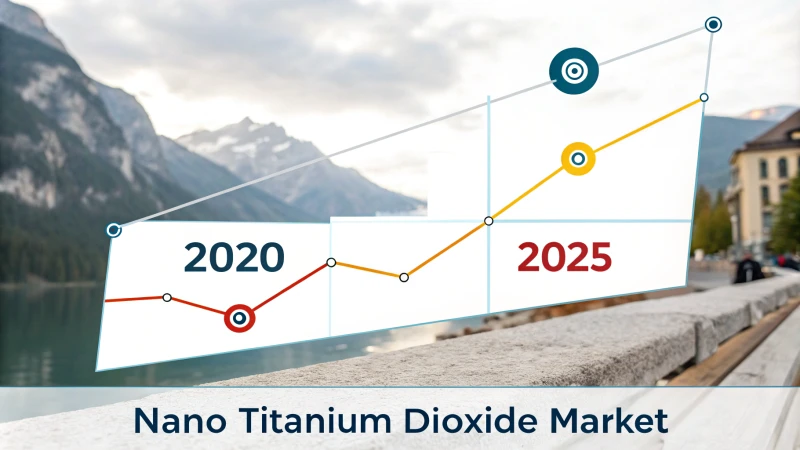
The nano titanium dioxide market probably expands a lot soon. More products use it now. Cosmetics, paints and renewable energy employ it often. Experts expect the global market to reach $3 billion by 2025. That is a substantial amount.
Market Overview
The nano titanium dioxide (nano-TiO₂) market is growing quickly, fueled by its unique properties. With a higher surface area and enhanced reactivity compared to bulk TiO₂, it acts like a hidden treasure in materials science. Many industries now choose it for these reasons.
In industries such as cosmetics, the demand for nano-TiO₂ is on the rise. For instance, I remember trying a sunscreen with nano-TiO₂ that protected my skin from harmful UV rays while remaining transparent—a crucial factor in product formulation.
Key Growth Drivers
Several factors drive the growth of the nano-TiO₂ market:
- Sustainability Trends: Many industries now care about the environment. Nano-TiO₂’s eco-friendly benefits fit this trend, helping control pollution and treat water.
- Innovative Applications: The material is useful in cosmetics and coatings, with its role in solar energy technologies opening new possibilities.
| Industry Sector | Application | Growth Rate (CAGR) |
|---|---|---|
| Cosmetics | Sunscreens and skincare products | 8.5% |
| Coatings | Paints and protective coatings | 6.2% |
| Environmental Protection | Water treatment and air purification | 7.0% |
| Renewable Energy | Solar cells | 9.0% |
Regulatory Landscape
As the market expands, safety and environmental impact become important. Regulatory concerns rise, prompting companies to invest in research and development to ensure compliance with regulations.
Future Projections
In the future, the global nano-TiO₂ market may reach about $3 billion by 2025. This growth brings opportunities in emerging markets like India3, Brazil4, and Vietnam5.
Moreover, technology advances rapidly; new applications and innovations will probably arise, pushing this market forward. The potential seems endless!
[claim claim=”Nano titanium dioxide is a key component in sunscreens.” istrue=”true” explanation=”Its effective UV blocking properties make nano-TiO₂ essential in formulating sunscreens, enhancing skin protection while maintaining transparency.”]
[claim claim=”The nano-TiO₂ market will decline by 2025.” istrue=”false” explanation=”Contrary to this claim, the market is projected to grow significantly, reaching around $3 billion due to rising demand.”]
What are the regulatory challenges facing the nano titanium dioxide industry?
Exploring nano titanium dioxide is like walking a tightrope. Balancing innovation and safety is tricky. I will guide you through the rules and challenges in this field. Many in our industry struggle with these issues. I might also add some personal thoughts during the journey.
The nano titanium dioxide industry encounters important regulatory challenges. These challenges include health concerns about cancer risks. Environmental assessments also take place. The industry must follow different international standards. New laws could change product safety and manufacturing methods. These changes might be significant.

Understanding Regulatory Frameworks
The rules for the nano titanium dioxide industry are complex, primarily due to the unique properties of nano-materials. Various organizations, including the EPA in the U.S. and the European Chemicals Agency (ECHA) in Europe, evaluate nano-TiO₂ safety.
Regulatory bodies typically assess the potential environmental and health impacts of nano-scale substances. This involves extensive risk assessments and compliance with chemical regulations like REACH (Registration, Evaluation, Authorisation, and Restriction of Chemicals).
For instance, while traditional TiO₂ is generally recognized as safe, nano-TiO₂ may pose different health risks due to its size and reactivity. Explore more about REACH regulations6.
Safety Concerns and Health Implications
Health concerns, particularly regarding carcinogenic classifications, present big challenges. Nano-TiO₂ has been under scrutiny for its potential to cause lung and skin irritation. Consequently, this raises questions about its use in consumer products.
| Health Concern | Potential Impact | Regulatory Response |
|---|---|---|
| Carcinogenicity | Possible lung cancer risk | Increased testing required |
| Skin irritation | Allergic reactions | Stricter labeling guidelines |
| Environmental impact | Soil and water contamination | Enhanced monitoring protocols |
Manufacturers must navigate these safety evaluations to ensure compliance with existing regulations while simultaneously developing their products.
Environmental Impact Assessments
Conducting comprehensive Environmental Impact Assessments (EIAs) is another significant challenge. As the nano-TiO₂ market grows, companies must demonstrate their commitment to sustainability by evaluating the environmental effects of their operations.
This includes assessing how nano-TiO₂ behaves in ecosystems—whether it accumulates in organisms or affects biodiversity. Many companies are investing in research to provide data for these assessments.
To gain insights into best practices for conducting EIAs, check out this detailed guide7.
Compliance with International Standards
Navigating international regulations can be daunting for companies operating in multiple jurisdictions. Different countries have varying standards for nanomaterials. For example, while the FDA (Food and Drug Administration) in the U.S. may have a more lenient approach towards certain applications, the EU enforces stricter rules regarding the use of nano-materials in consumer products.
This discrepancy can lead to compliance challenges for manufacturers aiming to market their products globally. Businesses must stay updated on international standards to mitigate potential legal risks.
Future Legislative Changes
I wonder about future legislative changes that might affect our industry. As scientific knowledge grows, stricter guidelines might arise regarding new risks associated with nanomaterials.
This proactive approach means companies should invest in ongoing research and development to adapt quickly to regulatory changes and maintain compliance. For insights into anticipated regulatory trends, consider exploring emerging legislation related to nanotechnology8.
In summary, regulatory challenges in this industry seem daunting but also offer chances for growth and innovation.
[claim claim=”Nano titanium dioxide faces stringent health safety regulations.” istrue=”true” explanation=”Regulatory bodies assess nano-TiO₂ for health risks like carcinogenicity, leading to strict safety regulations.”]
[claim claim=”International standards for nano materials are uniform across countries.” istrue=”false” explanation=”Different countries have varying standards for nanomaterials, complicating compliance for manufacturers.”]
How does nano titanium dioxide contribute to sustainability efforts?
Have you ever thought about how small particles change our world in big ways? Nano titanium dioxide (nano-TiO₂) changes things significantly. It plays an important part in sustainability. Let’s explore how this special material builds a cleaner and greener future.
Nano titanium dioxide (nano-TiO₂) helps sustainability. It reduces pollution and supports renewable energy technologies. It really provides eco-friendly options in many industries. It probably benefits cosmetics and maybe construction sectors.

Learning About Nano Titanium Dioxide
Learning more about nano titanium dioxide fascinated me. This tiny material holds great promise for the environment. It’s not just a scientific concept; it shines as a hope for progress. I recall first hearing about its photocatalytic powers at a seminar. The speaker shared how nano-TiO₂ breaks down pollutants in air and water, creating healthier surroundings. That discussion piqued my curiosity about the impact this small element has.
Photocatalytic Wonders of Nano-TiO₂
Picture walking through a street where the buildings clean themselves! Nano titanium dioxide allows this with its amazing ability to decompose organic pollutants. Imagine this: I once visited a friend in a smog-filled city with grimy buildings. Learning about nano-TiO₂ in construction materials was like a revelation. These materials may help keep surfaces cleaner, reducing the need for harsh chemicals and tiring maintenance.
That’s not all! I admire how nano-TiO₂ helps purify water. The small substance can break down harmful chemicals in drinking water. It’s like having a superhero protecting our water sources.
Role in Renewable Energy
I love learning about renewable energy. Discovering how nano-TiO₂ improves solar cell efficiency amazed me. This material, when used in solar panels, increases light absorption and energy output. Think of the possibilities! Whenever I see solar panels shining, I think of nano-TiO₂ quietly helping to green our world.
| Application | Benefit | Example |
|---|---|---|
| Water Treatment | Breaks down pollutants | Advanced filtration systems |
| Solar Energy | Enhances efficiency | Improved solar panels |
| Self-Cleaning Surfaces | Reduces maintenance costs | Nano-coatings on buildings |
Environmental Safety and Regulations
With great power comes responsibility. I value nano-TiO₂, but I know environmental safety is crucial too. I read about research studying its effects on ecosystems and human health. Regulatory bodies monitor its usage, which reassures me that responsible use in daily products is very important.
Versatility in Various Industries
Nano-TiO₂ also benefits the cosmetics industry. I struggled to find sunscreens without a white cast. Learning that nano-TiO₂ works as a UV filter and stays clear felt like finding a treasure! It meets the demand for eco-friendly cosmetics.
Its antimicrobial properties benefit textiles and coatings, lengthening product life and cutting chemical use. It’s incredible that something so small adds very big value across industries.
For those interested in learning more about the applications of nano-TiO₂ in environmental science, resources can be found through academic publications and industry reports on sustainable materials9.
Discovering these insights has enriched my understanding and passion for sustainability.
[claim claim=”Nano-TiO₂ can purify water by breaking down pollutants.” istrue=”true” explanation=”Its photocatalytic properties allow nano-TiO₂ to decompose harmful substances in water, aiding in purification efforts.”]
[claim claim=”Nano-TiO₂ is ineffective in enhancing solar cell efficiency.” istrue=”false” explanation=”Contrary to this claim, nano-TiO₂ actually improves light absorption and energy conversion in solar panels.”]
Conclusion
The nano titanium dioxide market is growing quickly, driven by its applications in cosmetics, environmental remediation, and renewable energy technologies, with projections of reaching $3 billion by 2025.
-
This link will provide you with a deeper understanding of how nano titanium dioxide is applied in various fields, enhancing your knowledge on its versatility. ↩
-
Explore this link to learn about the environmental benefits of nano titanium dioxide and its role in pollution control. ↩
-
Explore market trends and projections to stay ahead in your industry. This link provides valuable insights into growth rates and applications of nano titanium dioxide. ↩
-
Learn about the regulatory landscape affecting the nano titanium dioxide market. Understanding these regulations can help you navigate challenges and opportunities. ↩
-
Discover emerging applications of nano titanium dioxide across various industries. This information can guide your strategic planning and investment decisions. ↩
-
Understanding these challenges can help professionals navigate compliance issues effectively. ↩
-
This guide provides essential insights into conducting effective Environmental Impact Assessments for your products. ↩
-
Anticipating regulatory trends is vital for businesses operating in this sector. ↩
-
Learn about the regulatory frameworks guiding the use of nano titanium dioxide and its safety assessments for environmental applications. ↩